Monetizing the Mess: When Your Burner Account Became Your Biggest Paycheck
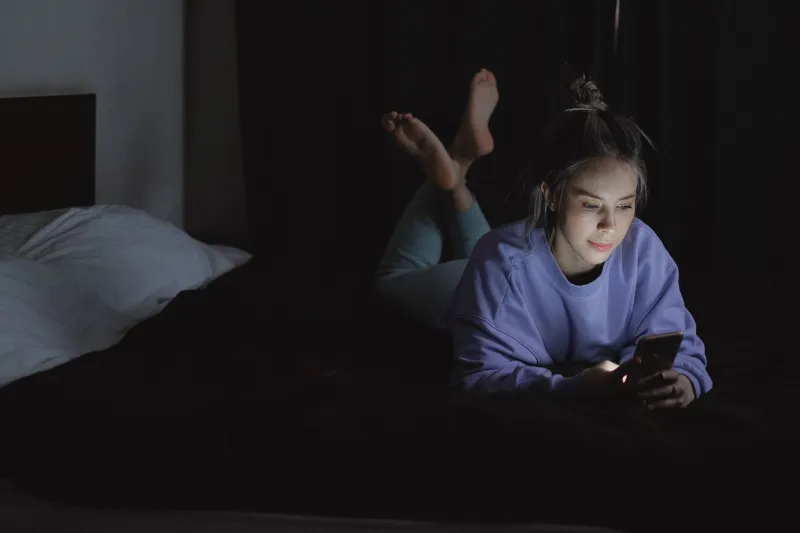
There was a time when your finsta was sacred. A second account, usually private, usually with some unhinged username your mom would never search. It was the place you posted the blurry photo from 2 a.m., the unfiltered rant about a situationship, the selfie with the double chin you actually kind of loved. No brand deals. No analytics dashboard. No performance. Just you, talking to your 47 closest friends like the internet was your group chat.
That time is basically over.
The fake Instagram account — or finsta, if you came of age during peak Instagram culture — has undergone a quiet but radical transformation. What was once a pressure valve for over-curated digital lives has evolved into one of the most coveted spaces in the creator economy. And weirdly, the less polished it looks, the more it's worth.
How the Fake Became the Real
The whole premise of a finsta was always a little ironic. You created a "fake" account to be more genuine. Your main — the rinsta — was the highlight reel. The finsta was the blooper reel, the commentary track, the stuff that didn't make the cut. For a generation raised on perfectly lit flat lays and aspirational aesthetics, having a corner of the internet where you could just be felt genuinely countercultural.
But here's the thing about authenticity online: it has a shelf life before someone figures out how to sell it.
Creators started noticing that their finsta posts — the ones with zero effort, bad lighting, and zero filter — were getting more genuine engagement than anything on their main accounts. Comments felt different. More personal. Less "omg slaying 🔥" and more "wait this is literally me lol." The connection felt real because the content actually was.
And where there's connection, there's eventually a brand strategy.
Brands Found the Back Door
Marketing teams didn't miss this shift. For years, influencer campaigns had been getting more expensive and, paradoxically, less effective. Audiences had developed a sixth sense for sponsored content — the slightly-too-perfect caption, the suspiciously well-lit product shot, the disclosure hashtag buried under seventeen emojis. Trust was eroding on the main stage.
So brands started looking for the back door. And finstas were it.
The pitch is almost uncomfortably simple: if your audience trusts your unfiltered self more than your polished self, then an endorsement from your unfiltered self is worth more. A skincare brand mentioned in a tired, no-makeup post-midnight selfie hits different than a sponsored story with a swipe-up link. The messiness is the credibility.
Some creators are now being specifically recruited to post about products on their secondary accounts — with the explicit instruction to keep it looking accidental. Casual. Like you just happened to mention it while venting about your week. The irony is almost too much: a carefully negotiated brand deal designed to look like it isn't one.
The Paradox of Profitable Realness
This is where things get philosophically weird, and if you've spent any time thinking about identity on the internet, you've probably already felt the tension.
Your finsta worked because it wasn't monetized. The authenticity was a direct product of the absence of stakes. Nobody was watching with a spreadsheet. Nobody was optimizing for reach. You were just existing in public for a small audience that actually knew you, or at least felt like they did.
The moment money enters that space, the dynamic shifts — even if the content looks identical. You're no longer venting; you're performing a vent. You're not posting the bad selfie because you felt like it; you're posting it because someone calculated that bad selfies convert. The rawness becomes a brand aesthetic, which means it's no longer raw. It's raw-coded.
Some creators are surprisingly self-aware about this. "I know it sounds crazy, but I actually feel more pressure on my finsta now than my main," one lifestyle creator with a mid-size following told a podcast audience earlier this year. "Because if I slip up and seem too polished, I lose the whole thing. The realness is the product, so I have to protect it."
Protecting your realness. As a business strategy. We are living in a very specific moment.
Can a Finsta Survive Success?
The honest answer is: probably not, at least not in its original form.
The accounts that built loyal communities through genuine chaos tend to change once they hit a certain visibility threshold. New followers arrive who don't have the context. The intimacy of talking to 47 people dissolves when you're suddenly talking to 47,000. The unhinged energy that made it special starts to feel like a bit — something you're doing at people rather than with them.
Some creators have tried to solve this by keeping their finstas genuinely locked down, even as their main accounts blow up. Strict follower limits. No press mentions. Definitely no brand deals. It's a conscious choice to protect the one space that still feels like theirs. Whether that's sustainable long-term is another question.
Others have leaned into the evolution, essentially turning their finsta aesthetic into their main brand identity. The whole account becomes the vibe — lo-fi, conversational, deliberately imperfect. Which works, until it becomes so successful that it loops back around to being a performance again. The cycle is relentless.
Your Most Honest Self Is Also Your Most Marketable One
What the finsta economy reveals, more than anything, is how thoroughly the line between person and product has collapsed for digital creators. There's no zone of your personality that's too private to eventually become a pitch deck. The parts of yourself you hid from your main account because they felt too real are now, apparently, your most valuable assets.
That's either liberating or deeply unsettling, depending on how you look at it — and honestly, it's probably both at the same time.
Urface exists because your face, your vibe, your weird little corner of the internet matters. But it's worth asking: matters to whom, and for what? When your most unguarded moments become monetizable content, you don't stop being authentic. You just start being authentic on someone else's terms.
The finsta was supposed to be the account where you got to be yourself without consequence. Now the consequence is a brand deal. And the self? Well. That's still in the caption. Somewhere.