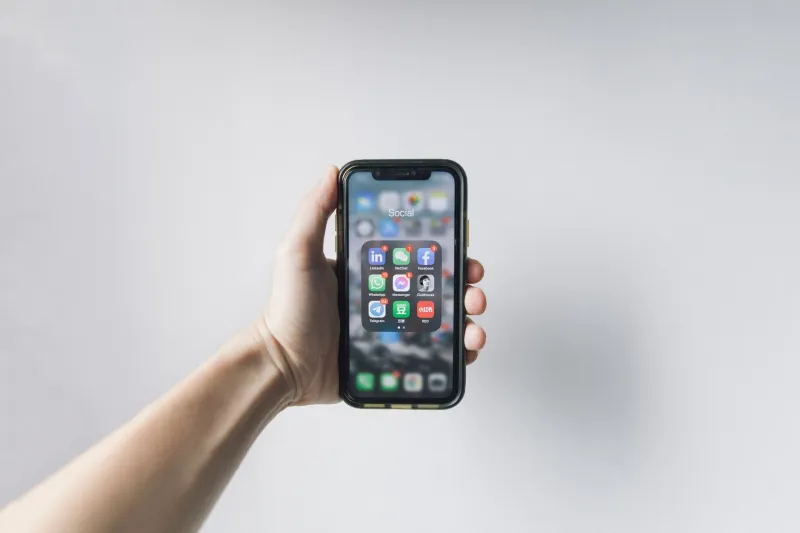
The Account You Made as a Joke Is the Realest Thing About You
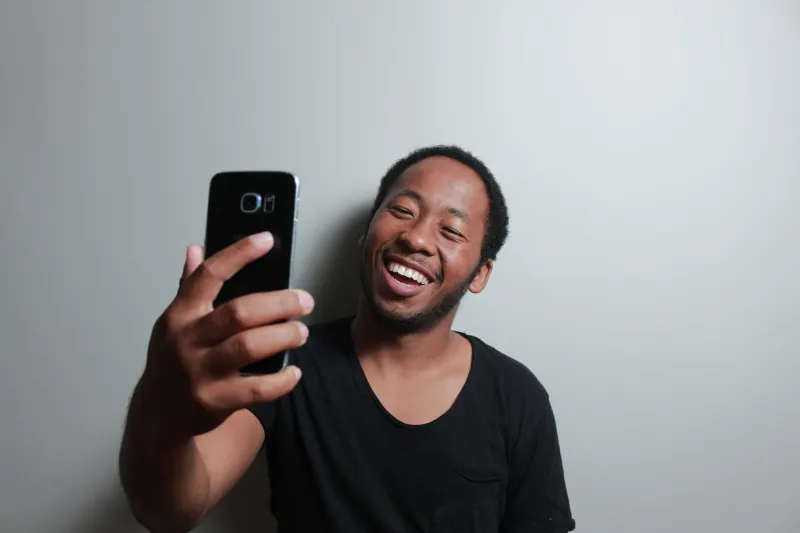
It started as a bit. Maybe you made it to post unhinged food photos at 1 a.m. Maybe it was purely to complain about your coworker without your LinkedIn contacts seeing. You gave it a stupid name, slapped on a cartoon avatar, and told yourself it didn't count. And then, slowly, quietly — it became the only place online where you actually felt like yourself.
Welcome to the finsta flex. Not the polished, brand-safe version of you. The other one.
The Main Account Is a Job. The Joke Account Is a Life.
Here's the thing nobody says out loud but everybody knows: maintaining a "real" profile is exhausting. You're curating, captioning, timing posts, checking engagement, wondering why that photo only got 47 likes when the one from two weeks ago got 200. It starts feeling less like expression and more like performance review.
The throwaway account doesn't have those rules. Bad grammar? Fine. Blurry selfie taken in a parking garage? Posted. A seventeen-word rant about how you cried at a dog food commercial? Already up. Nobody's grading you. Nobody's expecting anything. And weirdly, that zero-pressure zone turns into the most creative, most connected, most you space you have on the internet.
Creators who've built polished audiences on their main platforms talk about this all the time — usually in hushed tones, like they're confessing something. The account with 200 followers where they post unfiltered voice memos and shaky phone videos? That's the one they actually look forward to updating. The one with 80,000 followers? That one's starting to feel like a second shift.
Bad at the Bit, Good at Being Real
There's something genuinely liberating about being bad at performing yourself online. Not bad at your craft — bad at the presentation of it. Unflattering angles, half-finished thoughts, reactions that don't land, jokes that make sense only to you and three other people. When you stop trying to optimize, something weird happens: you start communicating.
This is the finsta paradox. The "fake" account — the name literally comes from "fake Instagram," a thing Gen Z invented specifically to escape the pressure of their main profiles — ends up being the most authentic digital artifact you produce. It's not filtered through what you think people want to see. It's just what happened, what you thought, what made you laugh at an inconvenient moment.
And people respond to that in a way they don't respond to the polished stuff. Comments get longer. Replies get weirder. Inside jokes develop. The 47 followers on your chaos account will show up for you in ways the 4,700 on your main never do — because they chose you, not the version of you that knew how to use natural light.
Why the Permission to Be Messy Matters
Psychologically, this makes a lot of sense. When you remove the stakes, you remove the self-monitoring. And when the self-monitoring goes, you stop performing and start actually existing in a space. That's not a small thing. For a generation that grew up being told their online presence was a brand, being somewhere that has no brand strategy feels like taking your shoes off after a long day.
There's also a community dynamic at play. Polished content creates admiration. Messy content creates solidarity. When someone posts a perfect photo, you double-tap and scroll. When someone posts a photo where they look a little tired and the caption says "genuinely cannot explain this week," you stop. You relate. You comment something real back. The imperfection is the invitation.
This is exactly what Urface is about at its core — your face, your vibe, not somebody else's idea of what your face and vibe should look like. The joke account gets that instinctively. It never tried to be anything other than a direct line from your brain to the screen.
The Followers Who Actually Know You
Here's a question worth sitting with: if your main account disappeared tomorrow, who would actually notice you were gone — versus just noticing the content was gone?
The people on your finsta would notice you. Because they know the you that rambles, the you that posts at weird hours, the you that went through that whole phase of being obsessed with competitive eating videos and never quite explained it. They've seen the unedited version and stuck around. That's a different kind of following. That's closer to friendship.
Some creators have started leaning into this so hard that the joke account has become the main event. They'll quietly let their polished profile coast on old content while they pour actual energy into the low-follower, high-chaos alternative. A few have even gone public about it — announcing to their big audience that the real action is somewhere else, somewhere smaller, somewhere you have to actually want to find them.
It's a power move disguised as a shrug.
So What Do You Do With That?
You don't have to blow up your aesthetic grid. You don't have to rebrand as an "authentic" creator, which, ironically, has become its own highly polished aesthetic. You don't have to do anything dramatic.
But maybe give yourself permission to have a corner of the internet that isn't working for anything. No growth goals. No strategy. No posting schedule. Just a place where you can be bad at performing yourself and see who shows up anyway.
Because here's what the finsta figured out before the rest of the internet caught on: the most magnetic thing you can put online isn't a perfect photo or a well-timed trend. It's evidence that a real person lives here. Typos and all.
Your joke account isn't the fake one. It might actually be the most real thing with your name on it.